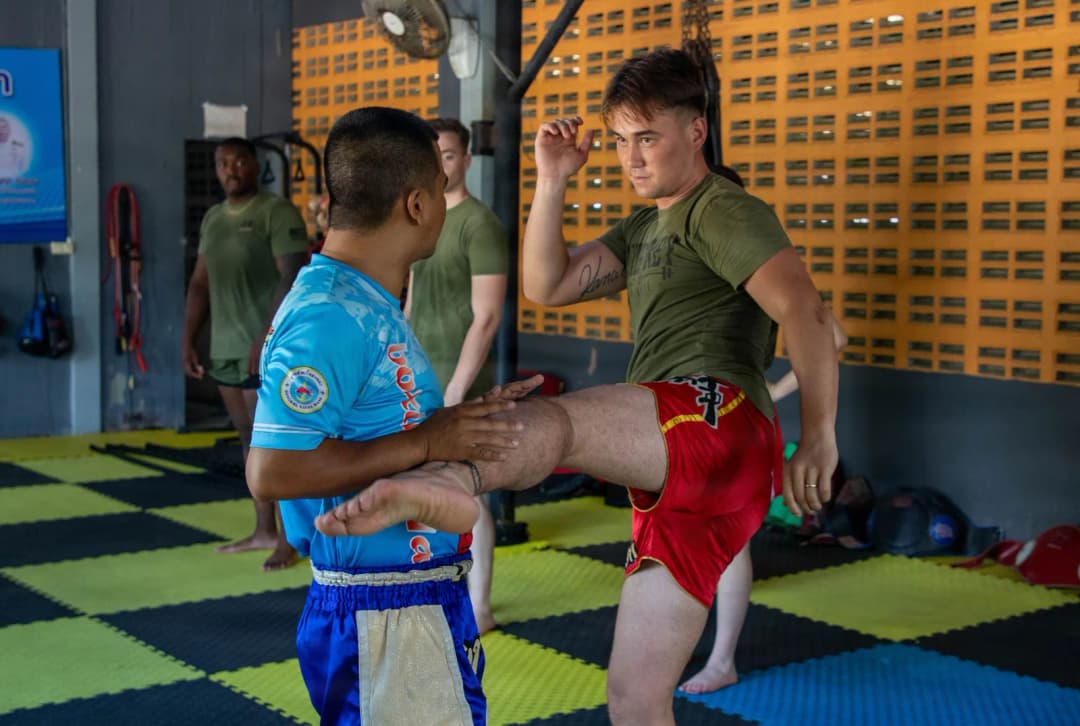
Bangkok is one of the best cities in the world to try Muay Thai. There are traditional camps that have produced stadium champions, modern fitness gyms in shopping malls, and everything in between. This guide groups well-known gyms by area, lists the drop-in prices that have been published for them, and explains what to expect in your first sessions.
Gym names, areas and drop-in prices below come from the Jabster Retreats guide to Muay Thai gyms in Bangkok, updated 20 October 2026, unless we say otherwise. Prices change, so confirm with the gym before you go. We do not rate or rank gyms. For the full list, see the Muay Thai directory.
Gyms by area#
Sukhumvit (Nana, Asok, Phrom Phong, Thong Lo, On Nut)#
- Watchara — Sukhumvit Soi 1, near BTS Phloen Chit.
- RSM Rajadamnern Singha Academy — Asok.
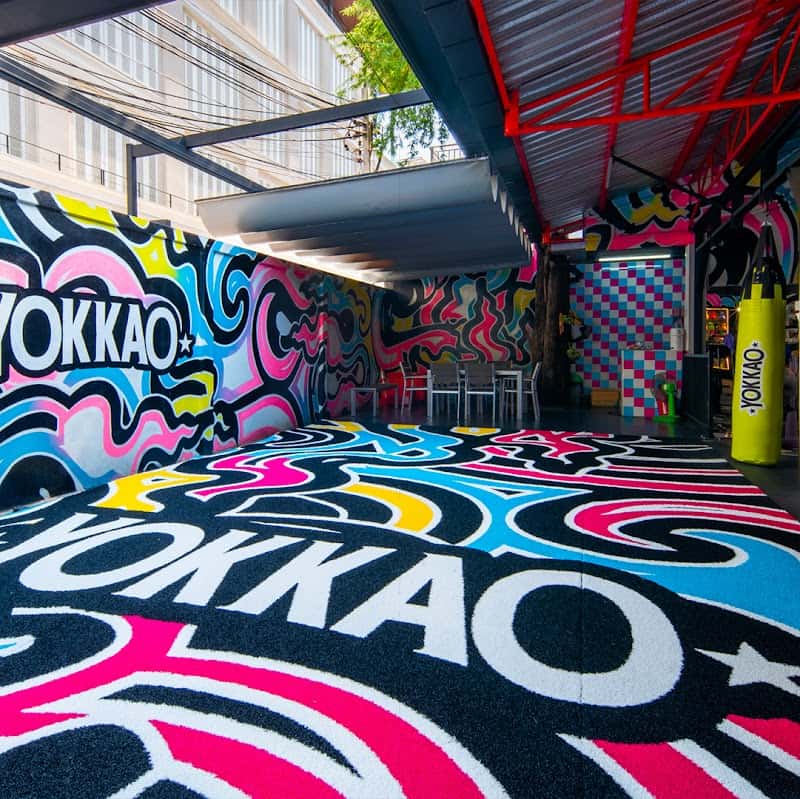
- YOKKAO Sukhumvit 16 — drop-in 700 THB.
- Elite Fight Club — Phrom Phong.
- Krudam — Thong Lo.
- Bangkok Fight Lab — near BTS On Nut, drop-in 600 THB.
Central Bangkok (Phloen Chit, Sam Yan)#
- FITFAC Ploenchit — drop-in 950 THB.
- Project H — Samyan Mitrtown.
North (Ari, Huai Khwang)#
- Tiger Eye — Ari, drop-in 600 THB.
- Khaosai Galaxy — near MRT Huai Khwang.
Other well-known gyms#
- WIT — drop-in 590 THB.
- Samart Payakaroon — drop-in 600 THB.
- Sitsongpeenong — drop-in 600 THB.
- Jaroenthong — 700 THB group, 1,000 THB private (from a secondary source; confirm with the gym).
Thonburi and the west#
- Kiatphontip — Thonburi, drop-in 400 THB.
- Sor Vorapin — the camp's Khao San Road gym closed in 2018. Its gym in Taling Chan charges 600 THB per session.
Outside the city#
Some well-known camps are in the provinces around Bangkok, not in the city itself. Fairtex's Bang Plee camp, for example, is in Samut Prakan. If a gym's location matters to you, check the address on a map before you book.
Drop-in prices at a glance#
| Gym | Area | Drop-in (THB) |
|---|---|---|
| Kiatphontip | Thonburi | 400 |
| WIT | — | 590 |
| Bangkok Fight Lab | On Nut | 600 |
| Tiger Eye | Ari | 600 |
| Samart Payakaroon | — | 600 |
| Sitsongpeenong | — | 600 |
| Sor Vorapin | Taling Chan | 600 |
| YOKKAO Sukhumvit 16 | Sukhumvit | 700 |
| Jaroenthong | — | 700 (secondary source) |
| FITFAC Ploenchit | Phloen Chit | 950 |
"—" means we have not confirmed the branch for this list; several gyms have more than one. Packages of 5, 10 or unlimited sessions usually cost less per class than drop-ins. Private one-to-one lessons cost more.
What happens in a beginner class#
Group classes vary, but a typical session of 1.5–2 hours runs like this:
- Warm-up. Skipping rope or running, then stretching.
- Shadow boxing. Practising stance, guard and basic strikes without a partner.
- Technique. The trainer shows a combination, such as jab, cross and roundhouse kick, and you practise it.
- Pad work. Rounds with a trainer holding pads. This is the core of Muay Thai training, and where you learn most.
- Bag work. Rounds on the heavy bag.
- Clinch or partner drills. At some gyms, and usually only once you have the basics.
- Conditioning and cool-down. Sit-ups, push-ups, stretching.
As a beginner, tell the trainer it is your first time. Good trainers will adjust the pace and keep you on technique rather than sparring.
What to bring#
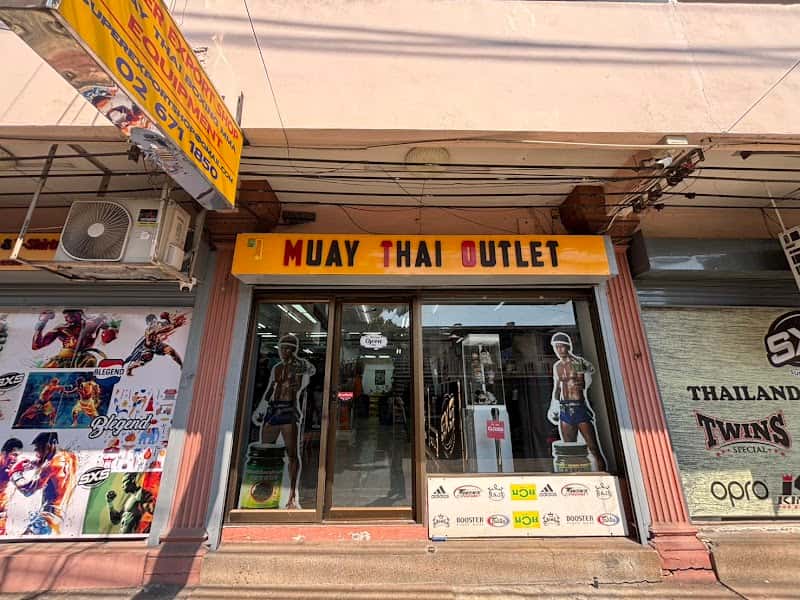
- Shorts and a T-shirt you can move in. Muay Thai shorts are cheap and sold at most gyms.
- Hand wraps. Many gyms sell them. You will need them under gloves.
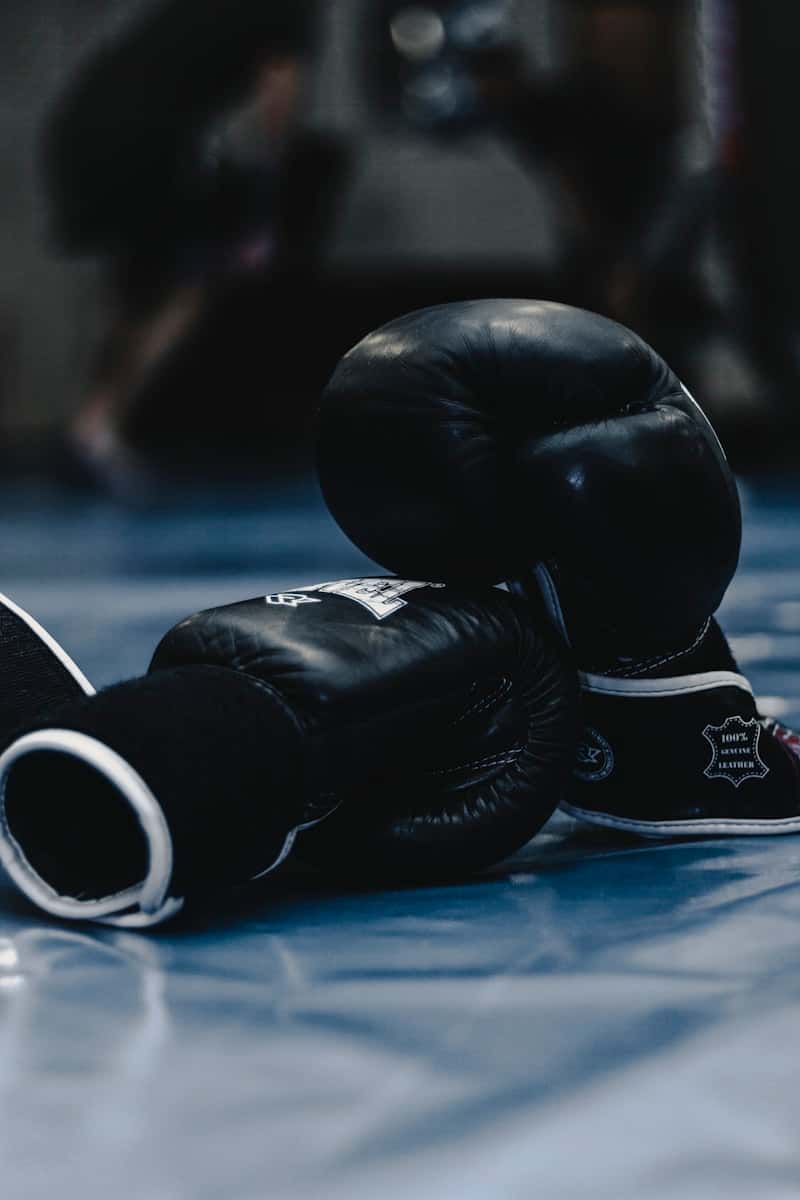
- Gloves. Most gyms lend them for drop-ins. If you train often, buy your own for hygiene and fit.
- Water and a towel. Bangkok is hot and most gyms are not fully air-conditioned.
- Cash or a card, depending on what the gym accepts.
You train barefoot. Shin guards and a mouthguard are needed for sparring, which beginners usually do not do in the first weeks.
A sensible first two weeks#
If you are new to training, this is a reasonable way to start:
- Session 1: a drop-in group class. Focus on stance, guard and the basic kick. Expect sore legs the next day.
- Rest a day. Walk, stretch and drink plenty of water.
- Sessions 2–3: go back to the same gym, or try a second one in another area to compare. Ask the trainer to correct your stance and kick on the pads.
- Week 2: if you liked one gym, buy a small package rather than a long one. Add a private lesson if you want faster feedback on technique.
- Keep notes. Write down the combinations you learned after each session. It speeds up the next one.
Do not judge a gym on one session. Trainers, class sizes and the mix of students change from day to day. Two or three visits give a fairer picture.
How to choose a gym#
- Location and schedule. Pick a gym on your daily route, with class times that fit your day. Most gyms run morning and afternoon sessions.
- Beginner classes. Ask whether there are separate beginner sessions or mixed-level groups.
- Class size. Ask how many students a trainer usually has during pad rounds.
- Facilities. Air-conditioning, showers, lockers and changing rooms vary a lot between traditional camps and mall gyms.
- Atmosphere. Some gyms train fighters and have a hard, traditional feel. Others are fitness-focused. Watch a session before you join if you can.
- Women's classes. If you prefer, ask whether the gym runs women-only sessions.
- Price and packages. Pay for one session first. Buy a package only when you know you will go back.
Private lessons#
A private lesson is one trainer, one student, usually for an hour. It costs more than a group class, but you get the trainer's full attention on your technique. Many beginners book one or two privates early on to fix their stance and kick, then continue in group classes. Ask the gym for its current private-lesson price and whether you can choose the trainer.
Staying safe#
- Hydrate before, during and after training. Bangkok's heat and humidity make dehydration easy.
- Build up slowly. Two or three sessions a week is a sensible start. Shins and feet need time to adapt.
- Tell the trainer about injuries and medical conditions.
- Do not spar until you are ready, and only with a mouthguard and shin guards.
- Check your insurance. Some travel policies exclude combat sports.
Watching a fight#
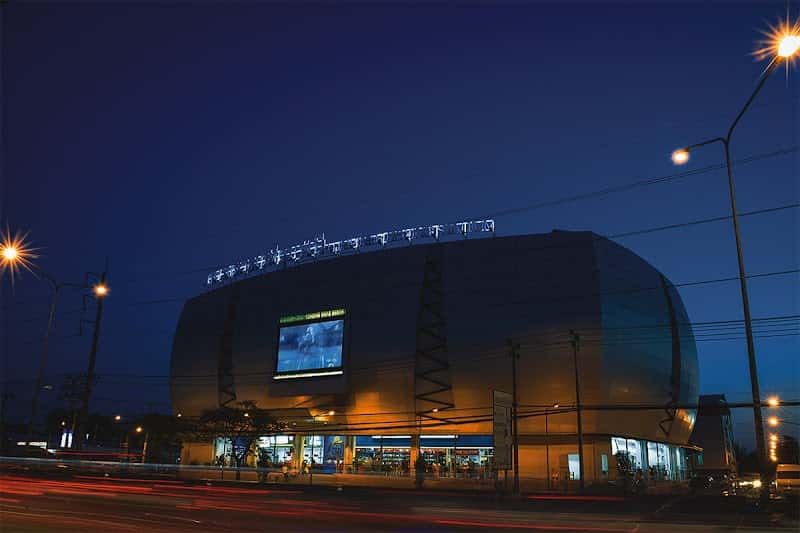
Seeing a live fight helps you understand what you are learning. Bangkok's best-known stadiums are Rajadamnern and Lumpinee. Check the stadium's own website or box office for fight nights and ticket prices.
Training for longer#
If you plan to train in Bangkok for months, you may want to look at long-stay options. Our DTV visa guide covers the visa that includes Muay Thai training among its eligible activities. For a place to stay near the gym, see renting a condo in Bangkok.
Frequently asked questions#
Can complete beginners train Muay Thai in Bangkok? Yes. Most gyms welcome beginners in their group classes. Tell the trainer it is your first session.
How much is a Muay Thai class in Bangkok? Drop-in group sessions cost roughly 400–980 THB in the October 2026 gym guide we used, and many gyms charge about 600 THB.
Do I need my own gloves? Not at first. Most gyms lend gloves to drop-in students. You will need hand wraps, which most gyms sell.
How long is a Muay Thai class? Group sessions usually last about 1.5–2 hours, including the warm-up and conditioning.
Will I have to spar as a beginner? Not usually. Beginners focus on technique, pads and bag work. Sparring comes later, and you can decline.