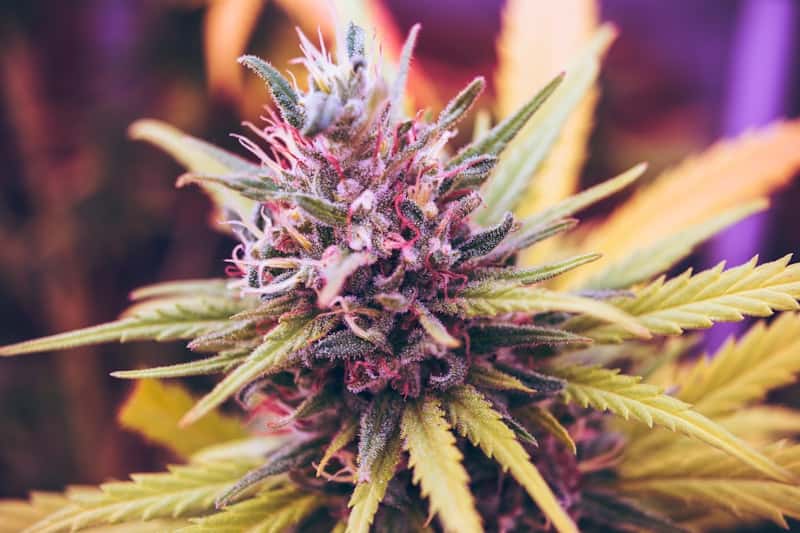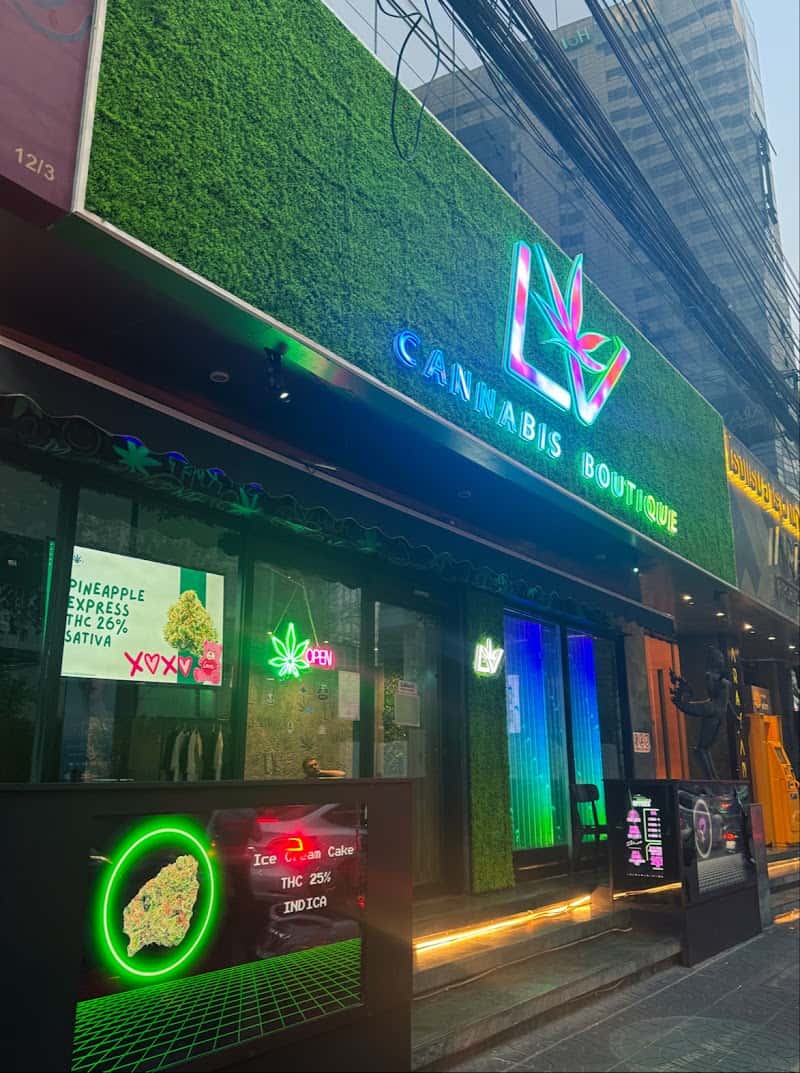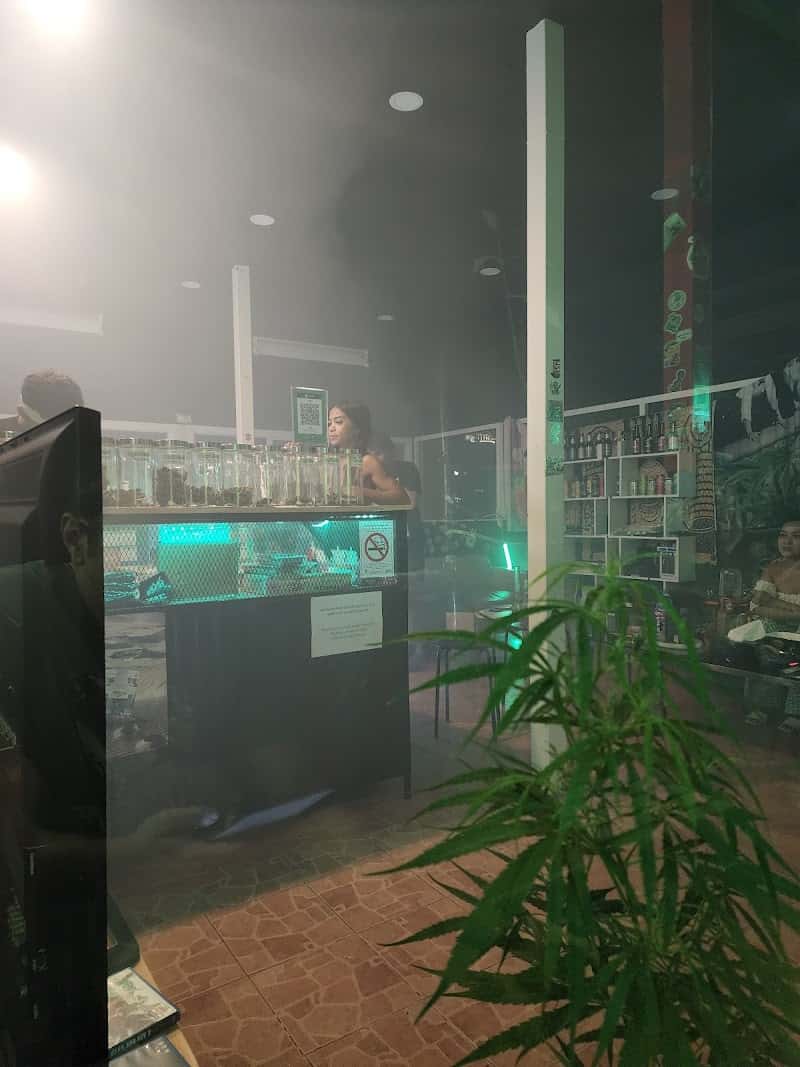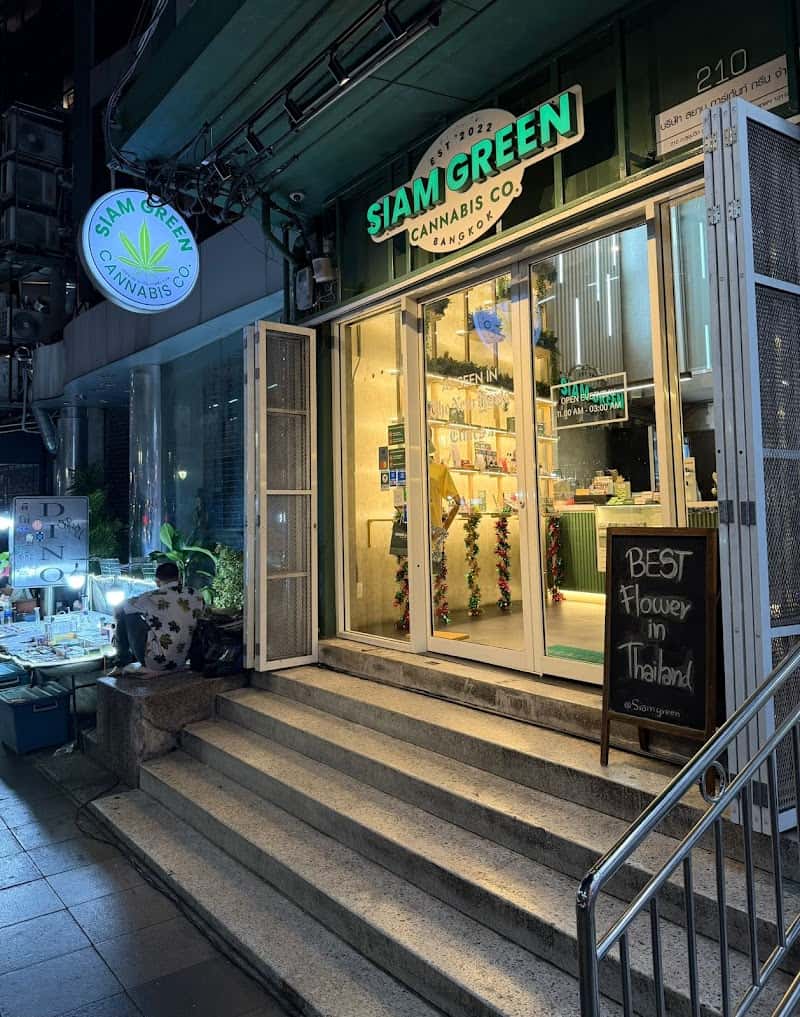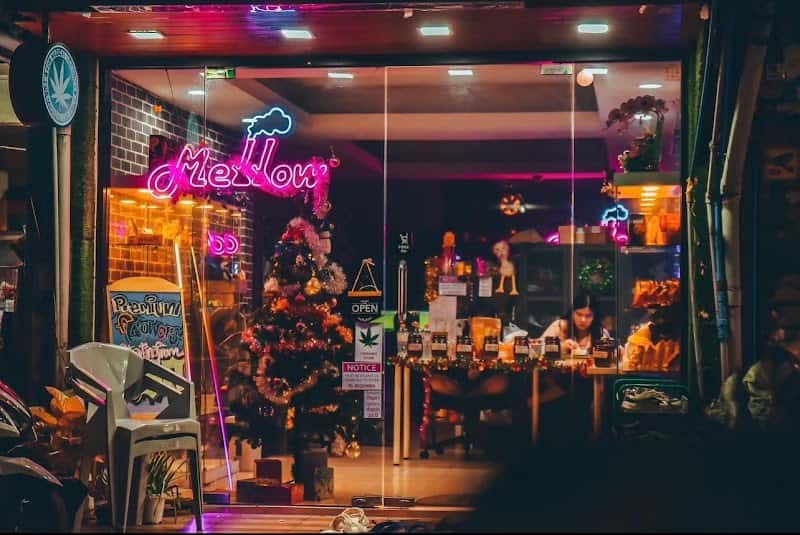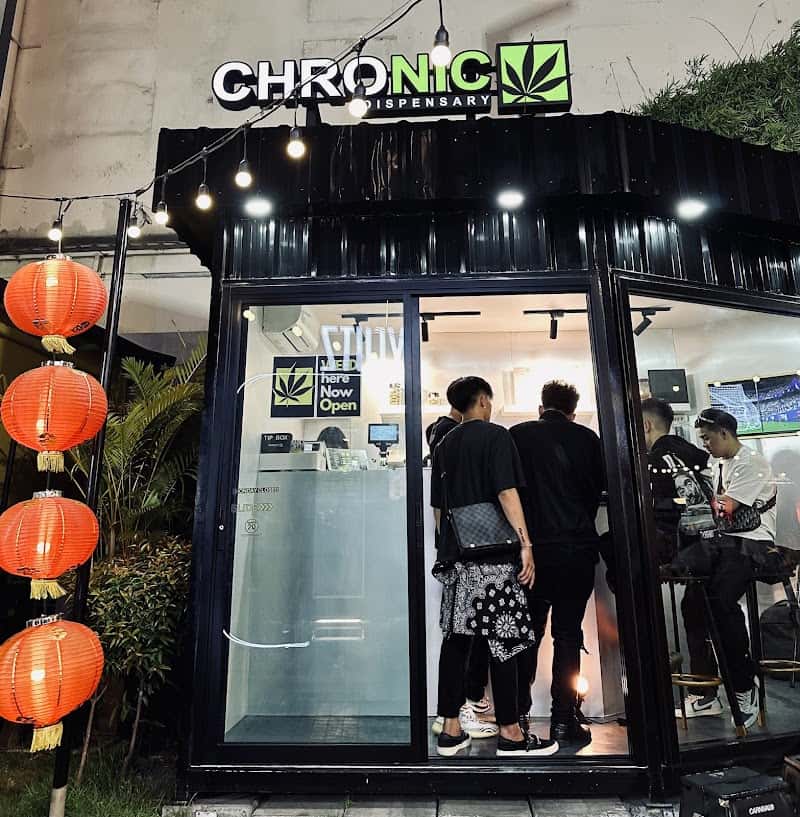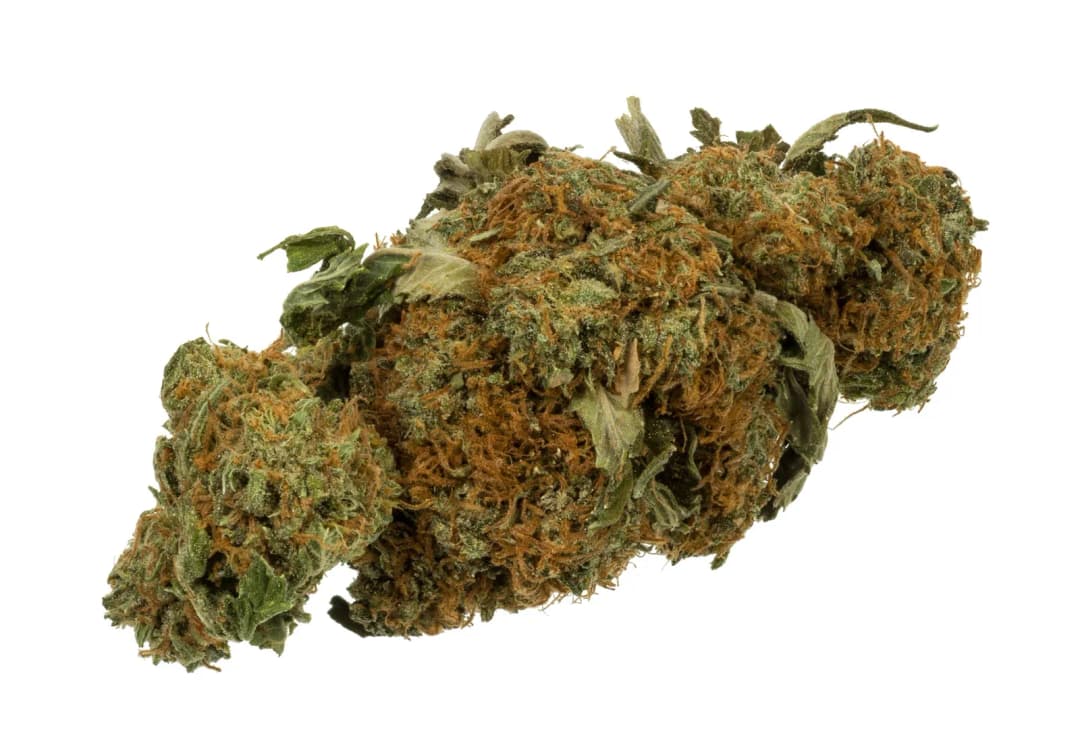
Green-lit dispensaries still line Sukhumvit, Khao San Road and Silom, so many visitors assume cannabis is simply legal in Bangkok. It is not. This guide explains the rules as they stand in November 2026, what a legal purchase looks like, the penalties, and what is changing next for the shops themselves.
How Bangkok got here#
Thailand removed cannabis from its narcotics list in 2022, and thousands of shops opened. Recreational use, though, was never authorised. As the Tourism Authority of Thailand put it, "what may have appeared tolerated in the past was never legally authorised" (Tourism Authority of Thailand).
The turning point was a Ministry of Public Health notification published in the Royal Gazette on 25 June 2025 and in force the next day. It kept cannabis flower classified as a controlled herb under the Thai traditional medicine law, but put retail sales on a prescription-only basis (The Nation). Since then the rules have only tightened.
What the current rules say#
Under the June 2025 notification, as summarised in the government's own announcements (Thailand PRD, The Nation):
- Selling, processing, exporting or researching cannabis flower for business requires a licence under Section 46 of the Thai traditional medicine act.
- Licensed shops may sell to the public only against a prescription from an authorised practitioner, for what is medically necessary and no more than 30 days of treatment.
- Flower must come from certified farms, and shops must keep records of where it came from and how much they hold.
- No smoking on the premises, unless it is part of treatment given by an authorised practitioner.
- No sales through vending machines, websites, social media or any other electronic channel, and no advertising of cannabis flower.
- No sales at temples, dormitories, public parks, zoos or amusement parks.
Cannabis extracts with more than 0.2% THC are still classed as narcotics under the narcotics law (Cannabis Law Report).
Who can write a prescription#
The notification allows prescriptions from medical doctors, Thai traditional medicine and applied Thai traditional medicine practitioners, registered folk doctors, Chinese medicine practitioners, pharmacists and dentists (The Nation). The prescription form is known as PT33 (ภ.ท.33), and the Department of Thai Traditional and Alternative Medicine (DTAM) describes it as the document that controls the dose and quantity for the condition being treated (DTAM medical cannabis FAQ).
What this means for tourists and visitors#
Tourists may not use, buy, carry or transport cannabis flower unless they hold a valid prescription issued in Thailand, and even then only for what is medically needed, up to 30 days (Tourism Authority of Thailand). The tourism authority also warns that shops selling to walk-in customers for smoking may be operating outside the law.
- A shop assistant saying "it's fine for tourists" protects you from nothing. The legal obligation is on the sale and on the buyer.
- Foreign prescriptions and medical cannabis cards are not a substitute for a Thai prescription (Chiang Rai Times).
- Delivery ordered by LINE, WhatsApp or a website falls under the ban on electronic sales, whatever the seller claims about its licence.
What a legal purchase looks like#
If you have a genuine medical reason to use cannabis in Bangkok, the legal route has four parts.
1. A consultation with an authorised practitioner#
The practitioner assesses your condition, any medicines you take and your history, and decides whether cannabis is appropriate. They can say no. Bring your passport: the PT33 records who the prescription is for. The draft law described below would make 20 the legal minimum age for buyers.
There is no official price list for consultations, and fees vary from clinic to clinic, so ask before the consultation starts whether there is a fee and whether it is refunded if no prescription is issued. An in-person visit with a paper prescription is the cautious choice.
2. A PT33 that fits your treatment#
The prescription states the product, the daily amount, the number of days and the total quantity, and one prescription may not cover more than 30 days.
3. A licensed dispensary#
Buy only what is on the prescription, from a shop that holds a current licence (see the next section). The shop records the sale against your prescription.
4. Private, discreet use#
DTAM advises that prescribed cannabis may be smoked at licensed healthcare facilities that provide a smoking area, or in private as long as it does not cause a nuisance to others. Carry your PT33 or a copy, and only the amount prescribed, to show that the cannabis is for treatment (DTAM medical cannabis FAQ).
How to check whether a shop is licensed#
DTAM runs several public checks:
- MC-GIS map at cannabis-gis.dtam.moph.go.th shows licensed shops and farms with their licence status and expiry date.
- The Mor Prom health app carries the same check.
- The DTAM medical cannabis call centre on 02 257 7042 answers questions about licence status and authorised prescribers during office hours.
- Complaints about shops can be filed through Traffy Fondue on LINE (@traffyfondue).
The health minister said in September 2026 that more than 10,000 shops and cultivation sites, about 95% of the total, had been entered into the government tracking system, and that businesses outside it should be presumed illegal (Thairath). Licences are also tied to a location: in October 2026, after a raid in Bang Khen, police noted that a licence issued in another province does not cover operations in Bangkok (Thairath).
Penalties#
| Offence | Maximum penalty | Source |
|---|---|---|
| Smoking in public, as a nuisance under the Public Health Act | Prosecution, with a fine or jail term under the Public Health Act | DTAM |
| Selling, processing or exporting without a licence, or selling without a valid prescription | 1 year in jail, a 20,000 baht fine, or both | The Nation |
| Taking cannabis out of Thailand without clearing customs | 10 years in jail, a fine of up to four times the value including duty, or both | The Nation |
Thai authorities warned in July 2026 that many countries still class cannabis as a serious narcotic, so a Thai prescription gives no cover at your destination or on the flight (The Nation).
Enforcement in Bangkok#
Enforcement has grown steadily. Since enforcement began in October 2025, officials have inspected 1,326 cannabis shops nationwide, carried out 83 seizures, taken legal action against 40 people or businesses, suspended 84 licences and revoked four, according to the Bangkok Post (Bangkok Post).
On 22 October 2026 the prime minister ordered tighter inspections of licensed shops and proposed tougher penalties in the narcotics law (The Star).
CBD, hemp and edibles#
Food, drinks and supplements containing CBD or hemp extracts are regulated by the Thai Food and Drug Administration, which sets limits on THC and CBD content and on which product types may contain them (Thai FDA notification No. 429 (2021) on CBD foods). Buy only packaged products that show a Thai FDA registration number on the label. Homemade-style edibles sold over a dispensary counter have not been through that approval, and anything containing an extract above 0.2% THC falls under the narcotics law.
For cannabis businesses: what changes next#
If you run a dispensary in Khao San, Nana, Silom and Sathorn or anywhere else in Bangkok, two changes matter.
New licence conditions already in force#
A ministerial regulation in force since 30 April 2026 requires anyone applying for or renewing a licence to sell cannabis to operate as a healthcare facility, as premises licensed to make or sell medicines and herbal products, or as a certified folk doctor. Shops must store flower off the floor, run effective odour and smoke control, and have DTAM-trained staff on duty during opening hours. Existing licences stay valid until they expire, but renewals must meet the new rules (Cannabis Law Report).
The Cannabis Control bill#
On 22 September 2026 the cabinet approved a draft Cannabis Control Act, which now goes to the House of Representatives (The Nation). As approved, it would:
- create a national cannabis committee;
- require three-year DTAM licences to grow, produce, import, export or sell cannabis, with roots, stems, leaves and seeds exempt when sold for medical treatment;
- register cultivation sites by size so cannabis can be traced from farm to sale;
- ban sales to people under 20;
- ban advertising of cannabis;
- limit use to medical treatment and research, with fines for unauthorised use and jail terms for unlicensed trade.
Existing three-year dispensary licences expire in stages between 2026 and 2028. Shops that are not medical facilities will have to close or convert into licensed clinics with practitioners on site and prescription-only dispensing (Silk Legal, The Nation). Until the bill becomes law, the current rules apply.
Operators should check their licence expiry date on MC-GIS and plan for a clinic-style model with qualified staff. Our guides to Thailand's foreign ownership rules and registering a company cover the corporate side, and the guide to restaurant and bar licences explains Bangkok's other venue permits.
Frequently asked questions#
Is cannabis legal in Bangkok in 2026? Only for medical use. Cannabis flower is a controlled herb, and buying it legally requires a Thai PT33 prescription from an authorised practitioner, covering no more than 30 days.
Can tourists buy cannabis in Bangkok? Only with a valid prescription issued in Thailand, on the same terms as residents. A prescription or medical card from home does not count.
Can I have cannabis delivered to my hotel or condo? Selling cannabis flower through websites, social media and other electronic channels is banned, so ordering delivery that way is outside the rules.
Can I take cannabis home or to another country? No. Taking cannabis out of Thailand without customs clearance carries up to 10 years in prison, and many destination countries treat it as a narcotic.
How do I know if a dispensary is licensed? Look it up on the MC-GIS map at cannabis-gis.dtam.moph.go.th or in the Mor Prom app, which show licence status and expiry dates, or call DTAM on 02 257 7042 during office hours.
Are CBD products legal? CBD foods, drinks and supplements approved by the Thai FDA, with a registration number on the label, can be sold legally. Extracts above 0.2% THC remain narcotics.